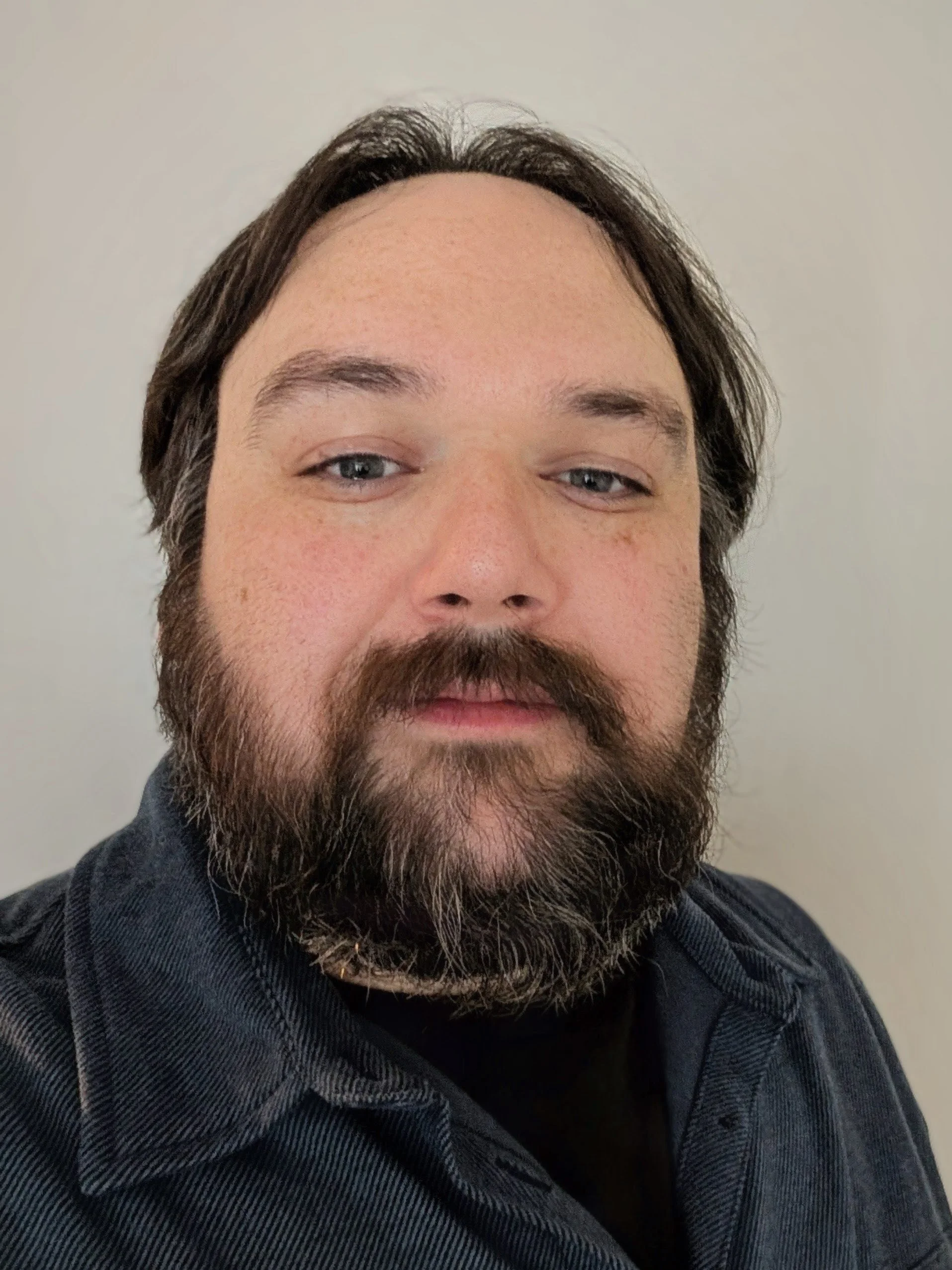
About Nathan Hayrynen
Before working in mental health, my path was eclectic. I worked as an over-the-road truck driver, an experience that taught me resilience, patience, and a deep appreciation of logistics. I bring a grounded perspective of the working world into a therapeutic setting, balancing psychological insight with practical solutions. I’ve also conducted research in diverse and complex systems, from studying the invasive species bythotrephes in the Great Lakes as a research assistant, to serving as a transcript reviewer on the experience of coming out as transgender on social media. These diverse experiences have given me an informed perspective on on the intricate boundaries between the internal world and external environment — a key dynamic to understanding the individual’s struggle with their environments and inner world.
My core academic and clinical interests are centered on complex identity formation. I specialize in treating personality disorder, psychosis, and the challenges of identity development. As a former professor, I integrate an educational approach, including individual worldviews and philosophies in case conceptualization. Understanding the client’s unique self and emerging identity in conjunction with personal philosophies is an important part of existential-humanistic practice.
My favorite non-academic book is The Watchmen by Alan Moore. It contains complex themes of ethics, power, corruption, paranoia, community formation and collapse. My favorite television show is The Good Place, which shares many of the same themes. I like watching how people change as they develop their self-concept and integrate new philosophies. While The Watchmen has more themes of wrestling with learning disquieting truths, The Good Place has more themes of growing beyond what is presented — not giving into perceived limitations. Each story has resonated with me deeply.
My doctoral research, Developing the Wise Mind, explores the journey of individuals through Dialectical Behavior Therapy (DBT). While many studies focus on symptoms, my work centers on the client's voice, examining how validation and the therapeutic relationship serve as the true catalysts for healing and overcoming stigma. My dissertation is available via the link provided.
If you would like a more detailed overview of my academic journey and clinical background, I have provided a link to my CV.